
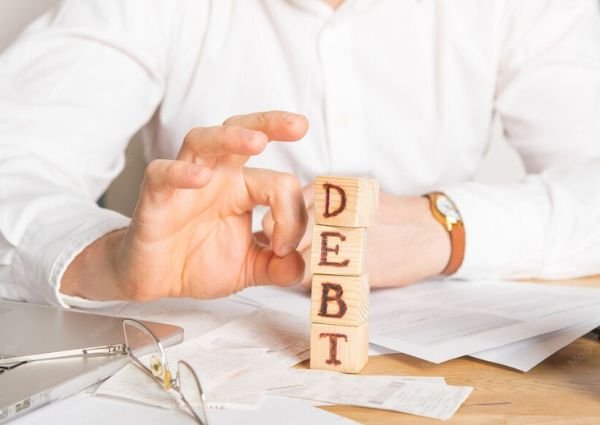
Being self-employed offers flexibility, independence, and the opportunity to build a successful business. However, it also comes with financial uncertainties. Unlike salaried professionals, self-employed individuals often experience fluctuating income, seasonal cash flow, delayed client payments, and unexpected business expenses. These challenges can make it difficult to repay loans and credit card dues on time, leading to mounting debt.
When repayments become unmanageable, many business owners, freelancers, consultants, and entrepreneurs begin exploring Debt Settlement For Self-Employed Borrowers as a possible financial solution. Debt settlement can provide relief from overwhelming obligations, but it is important to understand how the process works, its benefits, and the factors borrowers should consider before making a decision. At DebtOut, we help self-employed individuals evaluate their financial situation and choose the most suitable path toward debt resolution.
Why Self-Employed Borrowers Face Debt Challenges
Running a business often requires taking financial risks. Personal loans, business loans, and credit cards are commonly used to manage working capital, purchase equipment, or expand operations. However, unexpected circumstances can affect repayment capacity.
Some common reasons self-employed borrowers struggle with debt include:
- Irregular monthly income
- Decline in business revenue
- Delayed customer payments
- Rising operating costs
- Medical emergencies
- Economic slowdowns
- Seasonal business fluctuations
Unlike salaried employees who receive a fixed income, self-employed professionals may face months where earnings are significantly lower than expected, making regular EMI payments difficult.
What Is Debt Settlement?
Debt settlement is a negotiated agreement between a borrower and a lender in which the lender agrees to accept a reduced amount as full and final payment of the outstanding debt.
This option is generally considered when:
- The borrower is facing genuine financial hardship.
- Regular repayments are no longer affordable.
- There is limited ability to repay the full outstanding amount.
- Both the borrower and lender wish to resolve the account without prolonged recovery efforts.
After the agreed settlement amount is paid, the account is closed according to the settlement terms.
Debt Settlement For Self-Employed Borrowers?
For self-employed individuals, debt settlement may become a practical option under specific circumstances. Since business income can fluctuate, settlement offers a way to resolve debt when traditional repayment plans are no longer sustainable.
However, settlement should only be considered after carefully evaluating all available financial options.
When Should Self-Employed Borrowers Consider Debt Settlement?
1. Business Income Has Declined Significantly
If business revenue has dropped for an extended period and there is no immediate improvement expected, continuing regular loan payments may become impossible.
Settlement may help reduce financial pressure while allowing the borrower to focus on rebuilding the business.
2. Multiple Debts Have Become Difficult to Manage
Many entrepreneurs carry several financial obligations, including:
- Personal loans
- Business loans
- Credit card debt
- Equipment financing
Managing multiple repayment schedules can become overwhelming, especially during periods of reduced income.
3. Recovery Efforts Are Increasing
Frequent recovery calls, notices, and collection efforts can create additional stress.
Rather than avoiding communication, borrowers should discuss available options with lenders and seek professional assistance when appropriate.
4. Temporary Financial Hardship Has Become Long-Term
Some business setbacks recover quickly, while others last much longer.
If financial challenges continue despite reasonable efforts to improve income, settlement may become a realistic debt resolution strategy.
Benefits of Debt Settlement for Self-Employed Individuals
Reduced Financial Burden
Settlement can reduce the amount required to resolve outstanding debt, making repayment more manageable.
Improved Cash Flow
Lower debt obligations allow borrowers to redirect available funds toward essential business and personal expenses.
Faster Resolution
Instead of struggling with years of repayments, settlement may provide an opportunity to close the account sooner.
Reduced Financial Stress
Resolving debt can help borrowers focus on rebuilding their business without constant repayment pressure.
Important Considerations Before Choosing Settlement
Although debt settlement offers advantages, borrowers should understand its implications.
Impact on Credit Profile
A settled account may be viewed differently from a fully repaid account when future lenders assess credit applications.
Documentation Is Essential
Always obtain:
- Written settlement agreement
- Payment receipts
- Account closure confirmation
- No-dues certificate
Proper records help prevent future disputes.
Evaluate Alternative Solutions
Before proceeding with settlement, borrowers should also consider:
- Loan restructuring
- EMI modification
- Debt consolidation
- Temporary repayment relief
Choosing the right option depends on the borrower's financial circumstances.
Tips for Self-Employed Borrowers to Avoid Future Debt Problems
Financial recovery should include stronger money management practices.
Consider the following strategies:
- Maintain separate business and personal finances.
- Build an emergency reserve for business expenses.
- Monitor monthly cash flow carefully.
- Borrow only when necessary.
- Reduce unnecessary operating costs.
- Review financial performance regularly.
Strong financial planning helps reduce dependence on borrowing during difficult periods.
How DebtOut Supports Self-Employed Borrowers
At DebtOut, we understand that every business owner's financial situation is unique. Our experienced team works closely with self-employed individuals to develop customized debt management solutions.
Our services include:
- Financial assessment
- Debt settlement guidance
- Negotiation with lenders
- Documentation support
- Debt management planning
- Financial recovery strategies
We aim to help borrowers resolve debt responsibly while supporting their long-term financial goals.
Building Financial Stability After Settlement
Debt settlement should be viewed as the beginning of financial recovery rather than the end of the journey.
After resolving debt, self-employed borrowers should focus on:
- Rebuilding business income
- Improving budgeting practices
- Creating emergency savings
- Managing credit responsibly
- Strengthening financial planning
These steps can improve long-term financial security and reduce the likelihood of future debt problems.
Understanding Debt Settlement For Self-Employed Borrowers is essential for entrepreneurs, freelancers, consultants, and business owners facing financial challenges. While fluctuating income can make debt repayment difficult, settlement may provide a practical solution when genuine financial hardship prevents full repayment.
However, debt settlement should always be approached carefully after evaluating all available options. With professional guidance from DebtOut, self-employed borrowers can make informed financial decisions, negotiate effectively with lenders, and take meaningful steps toward rebuilding both their business and their financial future.