
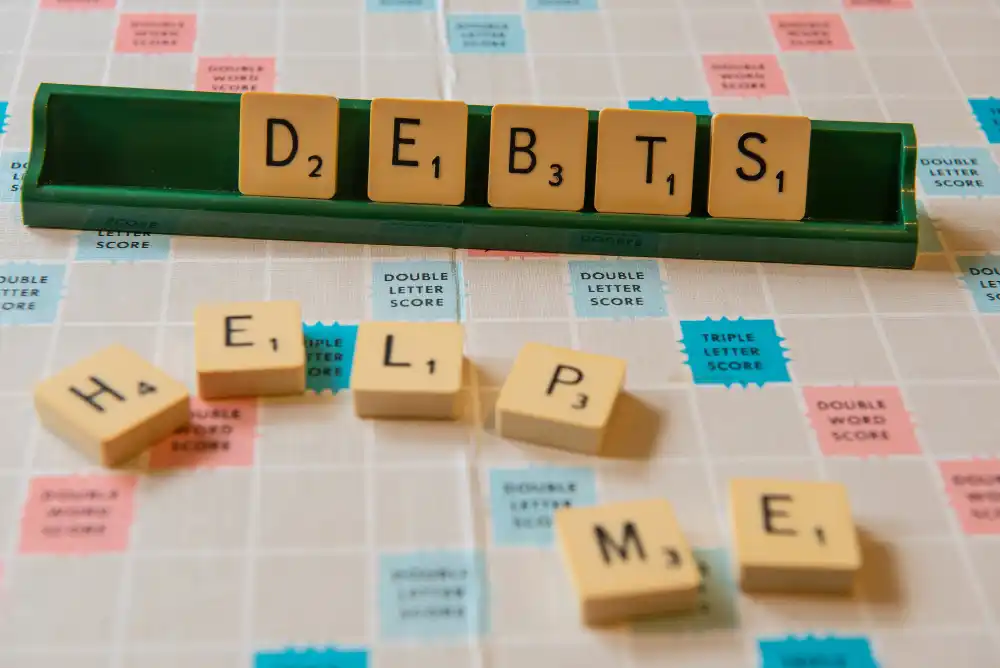
In 2026, debt settlement is becoming increasingly common across India as more borrowers struggle with rising financial pressure, loan defaults, and repayment challenges. Economic uncertainty, inflation, job instability, and increasing personal loan usage have pushed many individuals into situations where full repayment becomes difficult. As a result, borrowers are actively looking for legal and practical solutions to manage overwhelming debt.
At DebtOut, we are seeing a sharp rise in people seeking professional guidance for loan settlements, credit card negotiations, and financial restructuring. Understanding why debt settlement is growing in India can help borrowers make informed decisions during difficult financial times.
What Is Debt Settlement?
Debt settlement is a financial arrangement where the lender agrees to accept a reduced amount as full and final payment of the outstanding loan or credit card dues.
This process usually happens when borrowers:
- Are unable to repay the complete amount
- Have missed multiple EMIs
- Are facing severe financial hardship
- Want to avoid long-term legal or recovery complications
Debt settlement can help borrowers reduce financial stress and achieve closure on pending debts through mutual agreement with the lender.
Why Debt Settlement Is Increasing In India In 2026
Several major financial and economic factors are contributing to the rise in debt settlement cases across the country.
1. Rising Cost of Living
Inflation and increasing living expenses are affecting household budgets significantly. Essentials such as:
- Food
- Fuel
- Rent
- Medical expenses
- Education costs
have become more expensive, leaving many families struggling to manage loan repayments alongside daily expenses.
As financial pressure increases, borrowers are finding it harder to maintain regular EMI payments.
2. Growth in Personal Loans and Credit Card Usage
Over the past few years, banks and fintech companies have aggressively promoted:
- Instant personal loans
- Buy Now Pay Later (BNPL)
- Credit cards
- Quick digital lending
While these products increased financial accessibility, many borrowers accumulated multiple debts without fully understanding repayment obligations.
In 2026, many individuals are now dealing with:
- High-interest credit card debt
- Multiple active loans
- EMI overload
- Debt traps
Debt settlement is becoming a practical solution for managing these situations.
3. Job Instability and Income Reduction
Although India’s economy continues to grow, many sectors still face:
- Layoffs
- Salary cuts
- Business slowdowns
- Contract-based employment uncertainty
Self-employed individuals and small business owners have also experienced fluctuating income due to changing market conditions.
When income becomes unstable, loan repayment often becomes difficult, leading borrowers toward settlement discussions with banks.
At DebtOut, we help borrowers present their financial hardships properly during negotiations with lenders.
4. Increasing Recovery Pressure From Banks
Banks and NBFCs are becoming more aggressive in recovering overdue payments. Borrowers facing continuous:
- Collection calls
- Legal notices
- Recovery visits
- Credit score damage
often turn to settlement as a way to stop escalating financial stress.
Debt settlement provides borrowers with an opportunity to negotiate manageable repayment terms and close accounts legally.
5. Better Awareness About Debt Resolution Options
In the past, many borrowers were unaware that settlement options existed. However, in 2026, financial awareness is improving through:
- Online financial education
- Legal advisors
- Debt consultants
- Social media awareness
People now better understand that settlement can be a structured and legal method for resolving debt problems when repayment becomes impossible.
This awareness has significantly increased the demand for debt settlement services.
6. Mental Stress and Financial Anxiety
Financial debt affects more than just money — it also impacts mental health and emotional well-being.
Many borrowers experience:
- Anxiety
- Sleeplessness
- Depression
- Family stress
- Fear of recovery agents
Debt settlement offers psychological relief by helping borrowers regain financial control and reduce ongoing stress.
At DebtOut, we believe resolving debt is not only about finances but also about restoring peace of mind.
7. Increasing Acceptance of Negotiated Settlements
Banks themselves are becoming more open to settlements in genuine hardship cases because:
- Recovering partial payment is often better than prolonged defaults
- Legal recovery processes can be expensive and time-consuming
- Settlements help reduce non-performing assets (NPAs)
As a result, settlement discussions between lenders and borrowers are becoming more common and structured in 2026.
Common Situations Where Borrowers Consider Settlement
Borrowers often explore debt settlement when facing:
- Multiple missed EMIs
- Credit card default
- Business losses
- Medical emergencies
- Divorce or family crisis
- Sudden unemployment
- Loan restructuring failure
Debt settlement is usually considered after repayment becomes financially impossible.
Important Things Borrowers Should Know
While settlement can provide relief, borrowers should also understand certain realities:
- Settled accounts may temporarily affect credit scores
- Written settlement agreements are essential
- Final payment proof must always be collected
- Settlement should be negotiated carefully
Professional guidance can help borrowers avoid mistakes during the process.
How DebtOut Helps Borrowers In 2026
At DebtOut, we support borrowers throughout the entire debt settlement journey by helping with:
- Loan settlement negotiations
- Credit card settlement assistance
- Written settlement agreement review
- Communication with lenders
- Financial hardship representation
- Final closure documentation
Our goal is to help borrowers achieve transparent, legal, and stress-free debt resolution.
Final Thoughts
The rise in debt settlement across India in 2026 reflects growing financial pressure on borrowers due to inflation, rising debt levels, job instability, and changing economic conditions. More individuals are now seeking practical ways to regain financial stability and avoid long-term financial damage.
Debt settlement is not about avoiding responsibility — it is about finding realistic solutions during genuine hardship. With proper guidance and documentation, borrowers can settle debts responsibly and begin rebuilding their financial future.
At DebtOut, we are committed to helping borrowers navigate financial difficulties with professional support, transparent negotiation, and legally secure debt resolution services.