
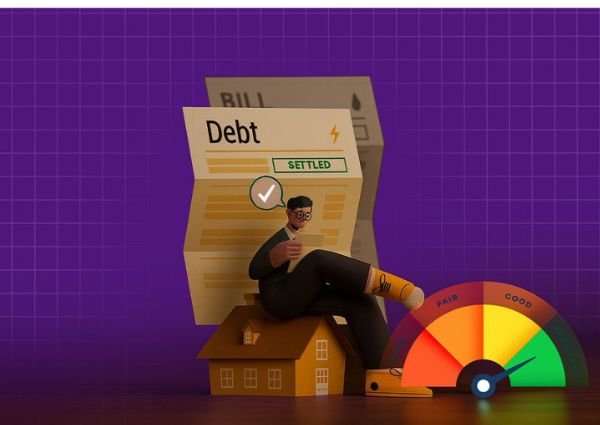
When financial pressure becomes overwhelming, many borrowers consider loan settlement as a way to reduce their burden. While settlement can provide immediate relief, it also impacts your credit profile—especially your CIBIL score. Understanding how loan settlement works and how it affects your credit health is essential before making any decision. A well-informed approach can help you manage short-term relief without causing long-term financial damage.
What Is Loan Settlement and How Does It Work
Loan settlement occurs when a borrower negotiates with a lender to pay a reduced amount instead of the full outstanding balance. This usually happens when the borrower faces genuine financial hardship such as job loss, medical emergencies, or business losses. Instead of continuing with missed EMIs and growing interest, the lender agrees to accept a partial payment to close the loan.
Once the agreed amount is paid, the lender marks the loan account as “Settled” in your credit report. This status is different from “Closed,” which means the loan was repaid in full as per the original terms. While settlement prevents further penalties and collection actions, it indicates that the lender did not receive the complete dues.
This “Settled” remark is reported to credit bureaus like TransUnion CIBIL, which then updates your credit report. Since credit scores are based on repayment behavior, settling a loan can lower your CIBIL score.
Impact of Loan Settlement on Your CIBIL Score
Your CIBIL score reflects your creditworthiness and repayment discipline. It typically ranges from 300 to 900, with higher scores indicating better credit health. When a loan is marked as “Settled,” it signals to future lenders that you were unable to repay the full amount.
Here’s how settlement affects your score:
- Score Reduction: Loan settlement can significantly reduce your CIBIL score, especially if your score was previously high. The drop depends on your credit history and other active accounts.
- Negative Credit Remark: The “Settled” status remains in your credit report for several years, which may make lenders cautious.
- Loan Approval Difficulty: Future lenders may see you as a higher-risk borrower. This can result in loan rejections, higher interest rates, or stricter approval conditions.
- Limited Credit Opportunities: Banks and NBFCs may prefer borrowers with a clean repayment history, making it harder to access premium credit products.
However, it’s important to understand that continuous defaults and unpaid loans can damage your score even more severely. In some situations, settlement may be a better option than prolonged non-payment or legal action.
How to Rebuild Your Credit After Loan Settlement
Although settlement affects your CIBIL score, the damage is not permanent. With disciplined financial habits, you can gradually rebuild your credit profile.
Here are key steps to improve your score after settlement:
- Pay EMIs on Time: Ensure all existing loans and credit card payments are made before the due date.
- Avoid Multiple Loan Applications: Frequent credit inquiries can further reduce your score.
- Use Credit Responsibly: Maintain a low credit utilization ratio on your credit cards.
- Check Your Credit Report Regularly: Review your report from TransUnion CIBIL to ensure accurate reporting and dispute any errors.
- Consider Secured Credit Options: Products like secured credit cards or small secured loans can help rebuild trust with lenders.
Over time, consistent repayment behavior can improve your score and restore lender confidence. Financial discipline plays a crucial role in long-term credit recovery.
Conclusion
Loan settlement can offer immediate financial relief during difficult times, but it does impact your CIBIL score and future borrowing ability. The “Settled” status signals partial repayment and may lower your creditworthiness in the short term. However, with proper financial planning and responsible credit management, you can rebuild your score and regain financial stability.
If you are considering loan settlement and need professional guidance, Debt Out provides expert services to help you navigate the process responsibly. Their experienced team ensures transparent negotiations, legal protection, and personalized solutions to support your journey toward financial recovery.